Coop & Kitchen at BF Farm Kunekune Pigs
Friendliest Chicken Breeds That Seek Out Human Contact
June 5, 2026 · Breeds & Flock Planning
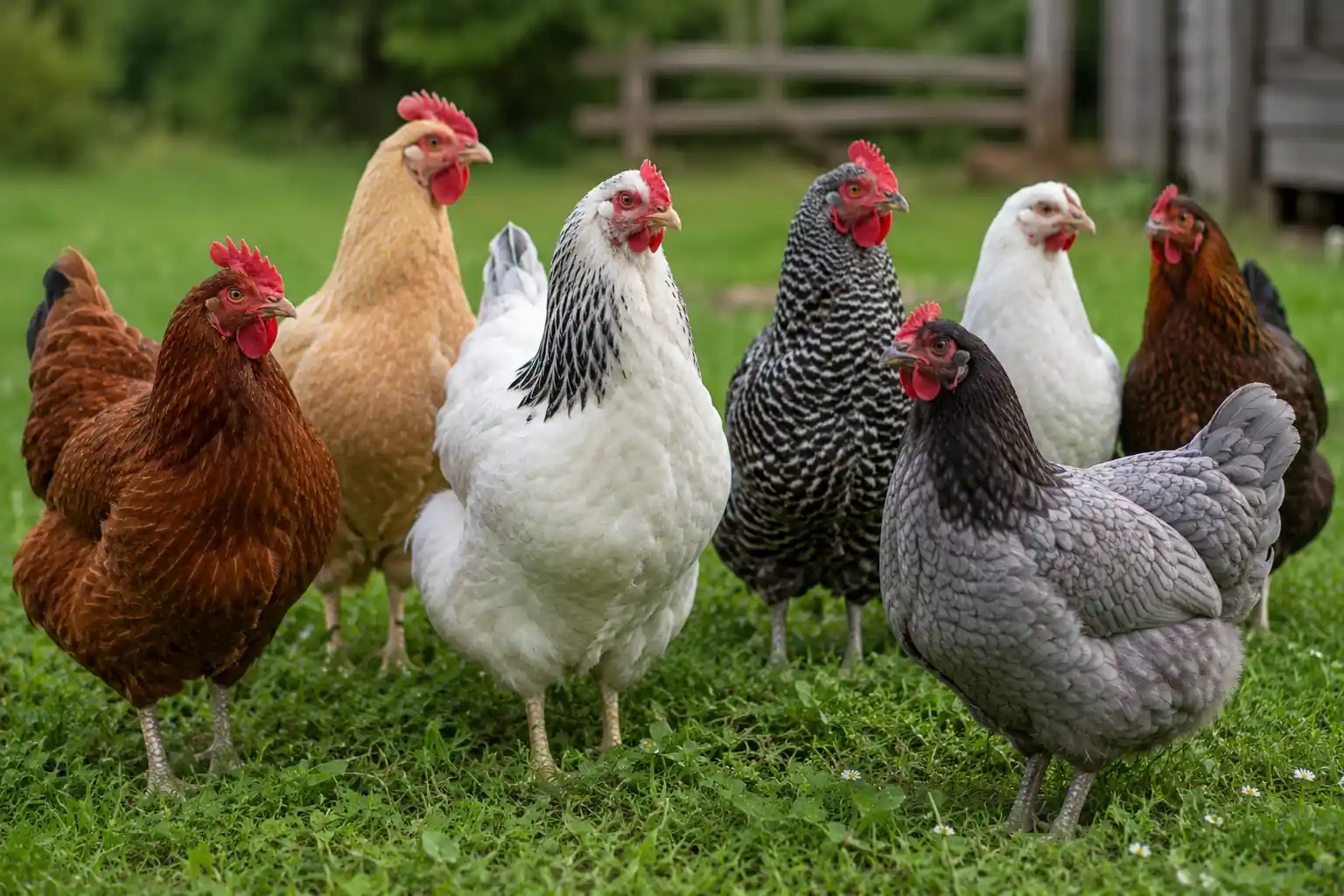
Some chickens simply tolerate people. Others come running when they hear the back door open, follow you through the yard, inspect your boots, and act personally offended if you forgot the treats. For families, beginners, and homesteads that want a flock with personality, choosing friendly breeds can make daily chicken care a whole lot more enjoyable.
Why Temperament Matters
A friendly chicken is easier to handle, easier to observe, and often less stressful for new keepers. Calm birds are simpler to move, check for mites, inspect for injuries, or gently pick up when needed. That matters when children are helping, when you are learning flock care, or when your chickens are part of everyday homestead life instead of hidden away at the far end of the property.
Breed helps, but it is not everything. Individual personality, early handling, flock setup, rooster behavior, predator stress, crowding, and daily routine all shape how people-friendly a chicken becomes.
The best results usually come from three things working together: choosing naturally calm breeds, raising them with steady gentle contact, and keeping their environment low-stress.
What “Seeks Out Human Contact” Really Means
A people-friendly chicken may walk toward you instead of scattering, follow you during chores, eat calmly from your hand, allow gentle handling, sit near you while you work, come when called, or show curiosity instead of fear.
That does not mean every hen wants to be carried around like a house pet. Chickens are still prey animals. Even friendly birds may dislike sudden grabbing, loud children, dogs rushing the fence, or being chased. The goal is calm trust, not forced cuddling.
Buff Orpington
Buff Orpingtons are one of the classic family-friendly chicken breeds. They are large, soft-feathered, gentle birds with a steady temperament and a reputation for being calm around people. They are often a good fit for families because they tend to be less flighty than lighter, more nervous breeds. Many Buff Orpington hens become comfortable following their keeper, hanging around during chores, and accepting gentle attention.
Best for: families, beginners, mixed homestead flocks, and children with supervision.
Watch for: their size and soft feathering mean they need dry housing, good ventilation, and protection from mud-packed runs.
Cochin
Cochins are big, fluffy, feather-legged birds with a famously mellow presence. They often move through the chicken yard like little barnyard sofas with feet. Many are calm, slow, and tolerant of handling when raised gently.
They are not usually the top choice for maximum egg production, but they shine as companionable backyard birds. Their heavy bodies make them less likely to be high-flying escape artists, and their calm nature can make them pleasant around children.
Best for: pet-style flocks, gentle family setups, and slower-paced homesteads.
Watch for: feathered feet need dry bedding and cleaner ground. Mud, ice, and packed manure can cause problems if housing is neglected.
Silkie
Silkies are small, fluffy chickens known for their unusual soft plumage and ornamental appearance. They can be very people-oriented, especially when handled gently from a young age. Their small size makes them less intimidating for children, though children still need to be taught how to hold them safely and support their bodies.
Best for: pet flocks, small yards, families wanting gentle novelty birds, and broody hens.
Watch for: Silkies do not handle wet, rough, or predator-heavy environments as well as tougher standard breeds. Their fluffy crests can limit vision, so they need secure housing.
Salmon Faverolles
Salmon Faverolles are sweet, quirky, heavily feathered birds with beards, muffs, feathered legs, and a gentle disposition. They often have a curious, talkative personality and may seek out people in a charming, slightly goofy way. They are a strong pick for families who want friendly birds with lots of character.
Best for: gentle flocks, families, children, and keepers who enjoy personable birds.
Watch for: do not place them with aggressive breeds. They do best with other calm birds.
Speckled Sussex
Speckled Sussex chickens are often friendly, curious, and active without being frantic. They tend to be good foragers and may follow people around the yard looking for snacks or interesting activity.
They are a nice middle ground: more practical and hardy than some ornamental breeds, but often more sociable than many high-production egg breeds. Their speckled feathering also makes them beautiful in a mixed flock.
Best for: homesteads, families, free-range or supervised yard setups, and beginner flocks.
Watch for: curious birds can become professional garden inspectors. Protect young plants unless you enjoy chicken-assisted landscaping.
Australorp
Australorps are practical, dual-purpose birds with a strong egg-laying reputation. Many Australorps are calm, steady, and easy to manage. They may not always be as cuddly as Silkies or as fluffy and slow as Cochins, but they often make excellent beginner birds because they combine usefulness with a pleasant temperament.
Best for: beginners who want eggs plus friendliness, practical homesteads, and mixed laying flocks.
Watch for: active layers need good feed, calcium access, clean nest boxes, and regular observation.
Brahma
Brahmas are large, feather-legged birds often called gentle giants. Their size can be impressive, but well-raised Brahmas are frequently calm and slow-moving. Many keepers appreciate them because they are less flighty and more tolerant than smaller, nervous breeds.
They can be especially nice in cooler climates because of their size and feathering, though they still need dry shelter and good airflow.
Best for: calm family flocks, cooler-weather areas, and keepers wanting large gentle birds.
Watch for: like other feather-footed breeds, they need dry ground and clean bedding.
Plymouth Rock
Plymouth Rocks, especially Barred Rocks, are classic backyard chickens. They are often hardy, practical, friendly, and curious. A good Barred Rock hen may be right underfoot during chores, watching everything you do with deep suspicion and snack-related optimism.
They are not usually delicate or fussy, which makes them a strong beginner choice. They tend to fit well into working homestead flocks where friendliness and usefulness both matter.
Best for: beginners, egg-focused family flocks, and practical homestead yards.
Watch for: confident birds can become bossy if the flock is crowded or poorly managed.
Wyandotte
Wyandottes are attractive, rounded birds with many beautiful color varieties. They are generally hardy and useful, and many are calm with people. Some lines are very friendly, while others are more independent, so source matters.
They are a good choice for keepers who want a hardy bird that is not overly delicate. With steady handling, many become comfortable around people and daily routines.
Best for: cold-hardy flocks, mixed laying flocks, and keepers wanting beauty and usefulness.
Watch for: some Wyandottes can be higher in the pecking order. Watch flock dynamics.
Delaware
Delawares are often curious, bold, and people-aware. They may not be lap chickens in every flock, but they often notice everything and enjoy being involved. For a homestead flock, that curious nature can feel very friendly.
They are a practical dual-purpose breed and can work well for families who want birds that are active and interactive without being tiny or ornamental.
Best for: active homestead flocks, families wanting practical birds, and keepers who like curious chickens.
Watch for: bold birds need boundaries around gardens, feed rooms, and open doors.
Breeds That May Be Less Cuddly
This does not mean these are bad chickens, but some breeds are commonly more active, alert, or independent. Mediterranean egg breeds like Leghorns, for example, can be excellent layers but may be more flighty than heavy dual-purpose breeds.
Game-type birds, high-strung production lines, and poorly socialized hatchery birds may also be less likely to seek human contact. They can still be useful, but they may not be the best first choice for a family wanting friendly, pet-like hens.
How to Raise Friendlier Chickens
Friendly breeds become friendlier with the right routine. Start with calm movement. Chickens remember whether people mean safety or chaos. Walk slowly, speak softly, and avoid chasing them.
Use feed wisely. Sit near them while they eat. Offer small treats by hand once they are comfortable, but do not overdo treats. Their main nutrition should still come from balanced poultry feed.
Handle gently and briefly. Pick birds up with both hands, support the body and feet, and set them down calmly. Children should sit while holding chickens so a startled bird does not fall far.
Create predictable chores. Chickens love routine. If feeding, watering, and evening lockup happen calmly at similar times, birds often become more trusting.
Avoid overcrowding. Crowded birds are stressed birds. Stress makes chickens more reactive, more competitive, and harder to handle.
Protect them from predators. A flock that is constantly scared by dogs, raccoons, hawks, or loose neighborhood animals will not relax around people.
Best Friendly Breed Combinations
For a soft, calm family flock, consider Buff Orpingtons, Cochins, Salmon Faverolles, and Silkies. For a practical egg-and-personality flock, consider Australorps, Plymouth Rocks, Speckled Sussex, and Delawares. For a beautiful mixed homestead flock, consider Wyandottes, Brahmas, Speckled Sussex, and Buff Orpingtons.
Always match size and temperament. A very gentle Silkie may struggle in a flock full of pushy large hens. A docile Faverolles may need flockmates that are equally mild.
Roosters and Friendliness
A friendly hen does not guarantee a friendly rooster. Roosters should be chosen carefully, especially around children. Some roosters are calm and respectful, while others become territorial or aggressive as they mature.
Never allow children to run from, tease, chase, or corner roosters. If a rooster shows repeated aggression toward people, take it seriously. Human safety matters, and a breeding or family flock should not depend on a dangerous bird.
Common Mistakes When Choosing Friendly Chickens
The biggest mistake is choosing only by looks. Pretty birds are wonderful, but temperament, climate fit, egg goals, and flock compatibility matter more. Another mistake is expecting every bird in a breed to act the same. Breed gives you odds, not guarantees.
A third mistake is buying mixed temperaments without a plan. Very docile breeds can be bullied by assertive breeds, especially in tight spaces. And finally, many people unintentionally train chickens to fear them by chasing, grabbing, or only handling birds during stressful moments. Make ordinary contact calm and positive.
Coop Setup for People-Friendly Birds
Friendly chickens still need a proper chicken setup. A calm bird can become stressed and defensive if the coop is poorly designed.
Good setup includes secure nighttime housing, dry bedding, enough roost space, clean nest boxes, fresh water, proper feed, shade in hot weather, ventilation without direct drafts, predator-resistant fencing or supervised turnout, and enough room to avoid constant pecking-order pressure.
At BF Farm, we look at animal care as a whole system. Friendly animals are not created by breed alone. They come from good housing, steady handling, clean routines, and daily observation.
Final Thoughts
The friendliest chicken breeds are usually calm, steady, and people-curious rather than nervous or overly reactive. Buff Orpingtons, Cochins, Silkies, Salmon Faverolles, Speckled Sussex, Australorps, Brahmas, Plymouth Rocks, Wyandottes, and Delawares can all be good choices depending on your goals.
For a family flock, start with gentle breeds, raise them with patience, and build trust through daily care. The reward is a flock that does more than lay eggs. They meet you at the gate, supervise your chores, and turn the coop into one of the happiest little corners of the homestead.