FarmLife at BF Farm Kunekune Pigs
Kiko Goats: Pros and Cons for Homesteads and Small Farms
May 29, 2026 · Farm Life
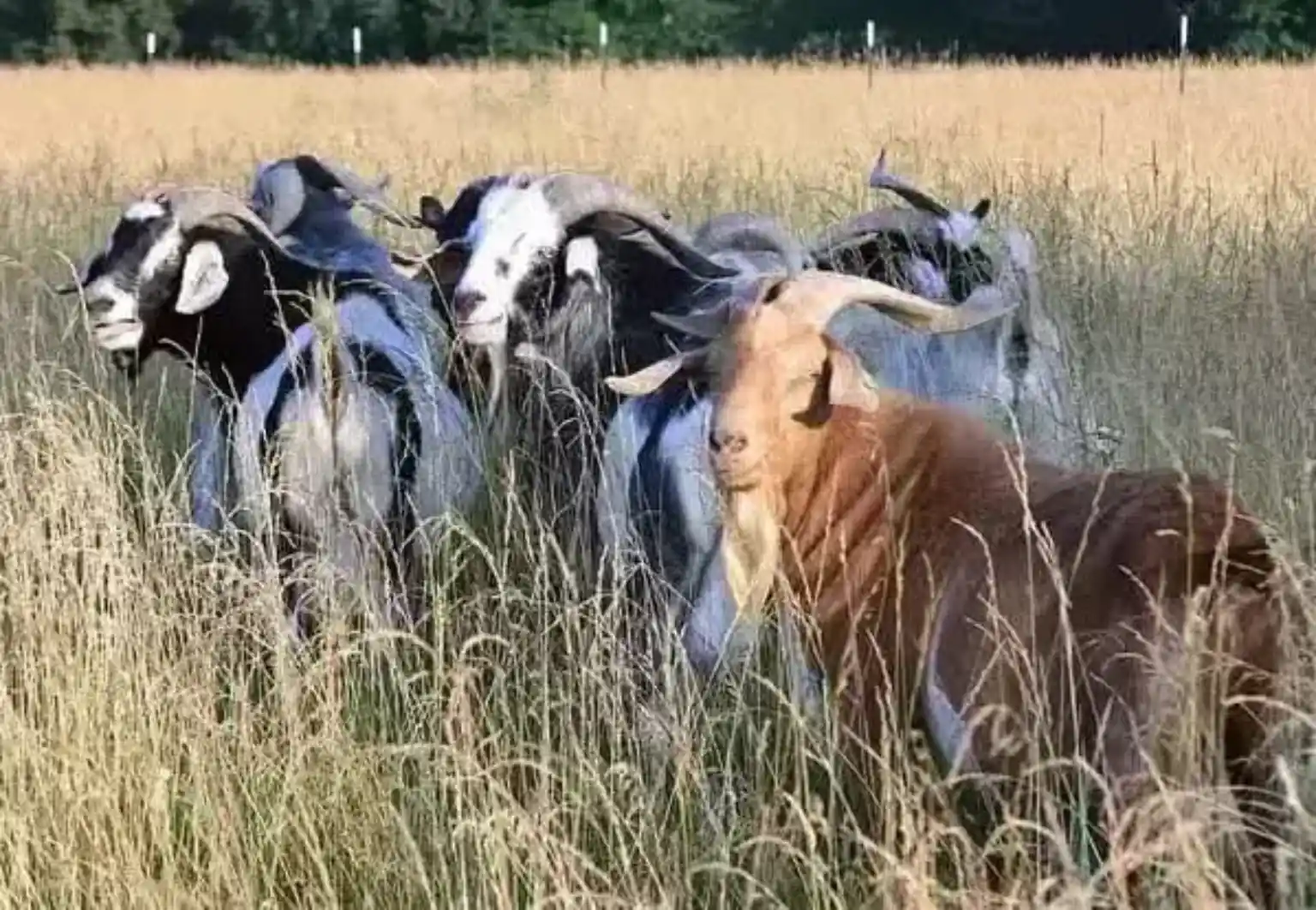
Spend enough time around livestock owners and you'll notice that some breeds seem to thrive with less fuss than others. Kiko goats have earned a reputation for being one of those breeds. Originally developed in New Zealand, Kikos were bred for performance, hardiness, and mothering ability rather than appearance alone. For many homesteaders and small farmers, that combination makes them an attractive choice.
Like any livestock breed, however, Kikos are not perfect for every farm. Understanding both the strengths and weaknesses of the breed can help you decide whether they fit your goals and management style.
What Are Kiko Goats?
Kiko goats were developed in the 1980s by crossing feral goats with dairy breeds selected for growth, health, and productivity. The goal was simple: create a meat goat that could thrive with minimal intervention while still producing healthy, fast-growing kids.
Today, Kikos are found on farms across the United States and are especially popular among producers looking for a low-maintenance meat goat.
The Pros of Raising Kiko Goats
Exceptional Hardiness
One of the biggest selling points of Kiko goats is their toughness. They were developed to perform in challenging environments and are known for adapting to a wide range of climates.
Many owners report that Kikos remain productive even on rough terrain, wooded acreage, and pasture conditions that would challenge less hardy breeds.
Strong Parasite Resistance
Internal parasites are one of the most common health challenges in goats. While no breed is immune, Kikos have gained a reputation for showing better natural resistance than many other breeds.
This doesn't eliminate the need for monitoring and proper pasture management, but it can reduce the frequency of health issues compared to more susceptible breeds.
Excellent Mothers
Kiko does are known for:
- Strong maternal instincts
- Good milk production for raising kids
- Easy kidding
- Protective behavior toward offspring
For producers looking to expand their herd naturally, these traits can save time and reduce losses.
Fast Growth Rates
Kiko kids often demonstrate impressive weight gains when managed properly. Their ability to convert forage into growth makes them attractive for meat production.
Many producers appreciate that Kikos can perform well on pasture rather than requiring large amounts of supplemental feed.
Lower Maintenance Requirements
Compared to some livestock breeds, Kikos often require less intervention.
Owners frequently praise them for:
- Fewer health problems
- Less need for intensive feeding programs
- Strong feet and legs
- Good overall durability
For part-time farmers or homesteaders balancing multiple responsibilities, this can be a major advantage.
Excellent Browsers
Kiko goats love brush, weeds, saplings, and invasive plants. They can be valuable partners in land-clearing projects and pasture improvement efforts.
Many farms use Kikos to help reclaim overgrown areas while simultaneously producing meat.
The Cons of Raising Kiko Goats
Fencing Still Matters
Despite their easy-care reputation, Kikos are still goats.
That means they can:
- Climb
- Jump
- Crawl through openings
- Test weak fences
Good fencing remains one of the most important investments for any goat operation.
Less Friendly Than Some Dairy Breeds
Many Kikos are calm and manageable, but they are often more independent than breeds selected primarily for close human interaction.
If your goal is highly social, pet-like goats, some dairy breeds may be easier to handle and train.
Smaller Market Recognition
In some areas, Boer goats remain the dominant meat-goat breed. Because of this, buyers may be less familiar with Kikos.
This can occasionally make marketing breeding stock more challenging, especially in regions where Boer genetics are more common.
Variable Appearance
Kikos were bred for performance rather than uniform looks. As a result, they can vary considerably in color, horn shape, and overall appearance.
For producers focused on show-ring aesthetics, this variability may be a drawback.
Limited Availability in Some Areas
Depending on where you live, finding quality registered Kiko breeding stock may require traveling significant distances.
Prospective buyers should carefully research breeders and evaluate herd performance rather than purchasing solely based on proximity.
Not a Cure-All Breed
Some new owners hear about Kiko hardiness and assume the goats require little management. That's a mistake.
Even the toughest goats still need:
- Proper nutrition
- Clean water
- Shelter from severe weather
- Parasite monitoring
- Vaccination programs recommended by local veterinarians
- Regular observation
Good management remains essential regardless of breed.
Are Kiko Goats Right for Your Farm?
Kiko goats are often an excellent choice for:
- Homesteaders wanting a low-maintenance meat breed
- Farms with rough or wooded terrain
- Producers interested in rotational grazing
- Landowners needing brush control
- Breeders focused on practical performance traits
They may be less ideal for people seeking highly interactive pets, show-focused animals, or operations with limited fencing infrastructure.
Comparing Kiko and Boer Goats
A common question among new goat owners is whether to choose Kikos or Boers.
In general:
Trait Kiko Boer Hardiness Excellent Good Parasite Resistance Often Higher Moderate Growth Rate Very Good Excellent Maintenance Needs Lower Higher Market Recognition Moderate High Uniform Appearance Moderate HighNeither breed is objectively better. The right choice depends on your farm goals, environment, and management preferences.
Final Thoughts
Kiko goats have earned their reputation as practical, productive animals for small farms and homesteads. Their hardiness, mothering ability, parasite resistance, and efficient forage use make them attractive to many producers.
At the same time, they still require solid fencing, responsible management, and realistic expectations. The best livestock decisions happen when a breed's strengths align with your property's resources and your long-term goals.
For many farms, Kikos strike an appealing balance between productivity and simplicity--a combination that explains why their popularity continues to grow across the country.