FarmLife at BF Farm Kunekune Pigs
Rotational Grazing at BF Farm Kunekune Pigs: Letting the Animals Work With the Land
May 9, 2026 · Farm Life
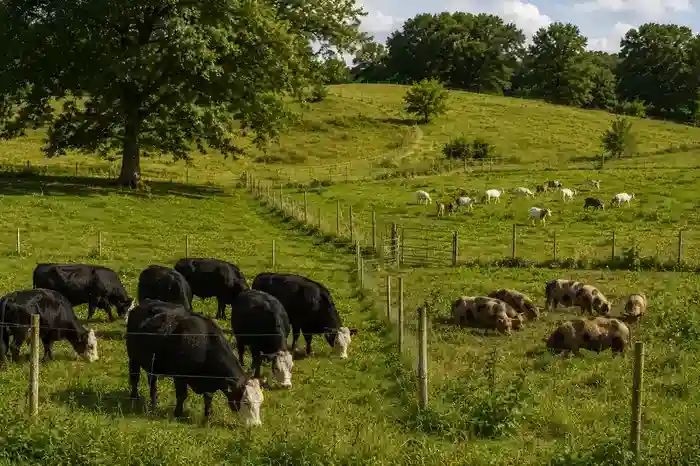
A good pasture system is not just about grass. It is about timing, rest, animal behavior, fencing, water, and paying attention to what the land is telling you. Rotational grazing has been one of the most important parts of BF Farm Kunekune Pigs’ livestock program because it lets different animals use the same land in different ways without asking one pasture to do all the work.
BF Farm Kunekune Pigs has been written about more than once for this approach, and for good reason. The system is practical, not fancy. Move the animals before they overuse an area, give the pasture time to recover, and use the natural grazing habits of each species instead of treating every animal like it eats the same thing.
Why Rotational Grazing Matters
On any farm, animals can be hard on land if they stay in one place too long. Grass gets eaten too short. Weeds gain ground. Parasites build up. Manure collects in the same areas. Bare soil starts showing, and once that happens, the pasture is already trying to tell you something.
Rotational grazing helps avoid that pattern.
Instead of leaving livestock in one area until it is overused, the animals move from pasture to pasture. That gives the land a rest period. Grass and browse can regrow. Manure has time to break down. Parasite pressure is reduced because the animals are not continually grazing the same contaminated ground.
The goal is not to make the farm look perfect. The goal is to keep the animals healthy and the land productive over the long run.
A Multi-Species System
BF Farm Kunekune Pigs’ rotational grazing program has used three main species: Black Hereford cattle, Kiko goats, and Kunekune pigs. Each one brings something different to the pasture.
Cattle are grass-focused grazers. They do their best work on open pasture where there is enough forage to support their size and grazing habits.
Goats are browsers as much as grazers. They like weeds, brush, brambles, saplings, and rougher plants that cattle may ignore. That makes them valuable in areas where pasture needs more than simple mowing.
Kunekune pigs fit into the system because they are natural grazers compared with many other pig breeds. Their shorter snouts and calmer nature make them better suited to pasture life than pigs that root aggressively and tear up ground. They can help clean up broadleaf plants and use forage in a way that complements the other livestock.
That difference matters. When cattle, goats, and pigs use land differently, they are not all competing for the exact same bite.
The Clock-Like Pasture Layout
One of the things that has made BF Farm Kunekune Pigs’ system stand out is the layout. The farm has been described as using a clock-like rotation, with gates and fencing set up to make regular movement possible.
That design matters because rotational grazing only works if moving animals is realistic. A system that looks good on paper but takes half a day to move animals is not likely to last. Gates, lanes, fencing, and water access all have to be part of the plan.
On BF Farm Kunekune Pigs, the system was built around the idea that livestock could move through pastures in an orderly way. During the growing season, animals have typically moved on a weekly rhythm, allowing the used pasture to rest before the same group returns.
That rest period is the quiet workhorse of the whole system.
Rest Is Part of the Crop
A pasture does not recover just because animals leave. It recovers because it has enough time, moisture, sunlight, and root strength to regrow.
When livestock graze a pasture too short, the plant has to use stored energy to recover. If animals come back too soon, the plant gets weakened again. Do that enough times and the pasture loses vigor.
Rotational grazing protects the recovery window. The animals come in, graze, fertilize, and move on. Then the pasture gets a break.
That break is not wasted time. It is part of growing the next round of feed.
Parasite Management Without Depending Only on Chemicals
One of the biggest lessons from BF Farm Kunekune Pigs’ grazing system is that parasite control starts with management.
Goats, especially, can suffer badly when parasite pressure builds up. Keeping animals in the same area too long gives parasites more opportunity to complete their life cycle and reinfect the herd. Moving animals before that cycle builds too heavily can make a real difference.
The multi-species part of the system helps, too. Parasites tend to be species-specific. The parasites that trouble goats are not the same as the ones that trouble cattle or pigs. When different species rotate through the same pasture, they can use the forage without simply continuing the same parasite problem for the previous group.
That does not mean parasites disappear. It means the farm is not relying on chemical dewormers as the first and only tool. Good grazing management, good animal selection, observation, and responsible treatment when needed all work together.
Why Kiko Goats Fit the Program
Kiko goats have been an important part of BF Farm Kunekune Pigs’ livestock history because they are known for hardiness, mothering ability, and practical meat-goat traits. They were not chosen because they are trendy. They were chosen because they fit a working pasture system.
In a rotational grazing setup, goats can help manage brush and rougher plants while using land that cattle may not fully use. That is one of the benefits of matching the animal to the job.
A good goat in this kind of system needs more than a pedigree. It needs performance, structure, health, and the ability to do well in real farm conditions.
Why Kunekune Pigs Fit the Program
Kunekune pigs have become a major focus for BF Farm Kunekune Pigs, and pasture management is one reason they make sense for small farms and homesteads.
They are not commercial hogs in miniature. Kunekunes are slower-growing, pasture-friendly pigs with a calmer nature and a strong grazing instinct. For the right owner, that makes them useful for a farm that values manageability, meat production, breeder stock, and a quieter style of livestock handling.
Their role in a rotational system is different from cattle or goats. They can use forage and help maintain pasture areas without the same level of destructive rooting many people associate with pigs. That is one reason BF Farm Kunekune Pigs has focused on quality Kunekune breeder stock for people who want pigs that are practical, manageable, and suited for long-term homestead goals.
What the Land Teaches
No pasture plan should be treated like a rigid recipe. Weather changes. Grass growth changes. The number of animals changes. Some seasons are wet. Some are dry. Some pastures bounce back quickly, while others need more time.
That is where observation matters.
Rotational grazing is not just opening and closing gates. It is watching body condition, forage height, manure patterns, parasite concerns, hoof health, shade use, water access, and how animals behave when they enter a new area.
A pasture that looks good from a distance may be getting thin underneath. A weedy area may actually be telling you which species should move through next. A patch of brush may be a problem for cattle but a buffet for goats.
The more time you spend watching animals on the land, the more the system starts to make sense.
Lessons for Small Farms
Not every farm has 200 acres, 12 pastures, or a full multi-species rotation. That is okay. The principles still apply on a smaller scale.
For a small farm or homestead, the lessons are simple:
- Divide space when possible, even if the paddocks are small.
- Move animals before the ground is overused.
- Let pastures rest long enough to recover.
- Avoid overstocking.
- Match the species to the forage available.
- Build fencing and gates so moving animals is practical.
- Watch for parasite pressure instead of waiting for problems.
- Choose livestock from breeders who value health, structure, temperament, and performance.
Rotational grazing does not have to be complicated to be useful. Even a modest setup can improve pasture health compared with leaving animals in one area all season.
The Bigger Purpose
For BF Farm Kunekune Pigs, rotational grazing has never been just a land-management trick. It reflects a broader approach to livestock: raise animals with purpose, pay attention to what works, and choose breeding stock that can thrive in real conditions.
That approach carries directly into the Kunekune program. A good Kunekune should be more than cute. It should be healthy, manageable, structurally sound, and suited for the buyer's goals, whether that buyer wants to raise their own meat, build a small breeding program, or add practical grazing pigs to a homestead.
Pasture teaches patience. So does livestock. The best results usually come from steady observation, responsible decisions, and a willingness to adjust when the animals or the land show you something new.
Final Thoughts
Rotational grazing at BF Farm Kunekune Pigs is not about chasing a trend. It is about using the land wisely and letting each species contribute in its own way.
The cattle graze. The goats browse. The Kunekune pigs fit into the pasture system with their calm nature and grazing ability. The land rests, recovers, and feeds the next round.
That is the kind of farming lesson that still matters: take care of the animals, take care of the ground, and build a system that can keep working after the first good season is over.
For current Kunekune piglet availability, breeder-stock information, and practical Kunekune care articles, visit KunekuneBreeders.com.