Kunekune Kitchen at BF Farm Kunekune Pigs
Why Some Restaurants Prefer Kunekune Pork
June 7, 2026 · Pork Cut Guides
Why Some Restaurants Prefer Kunekune Pork
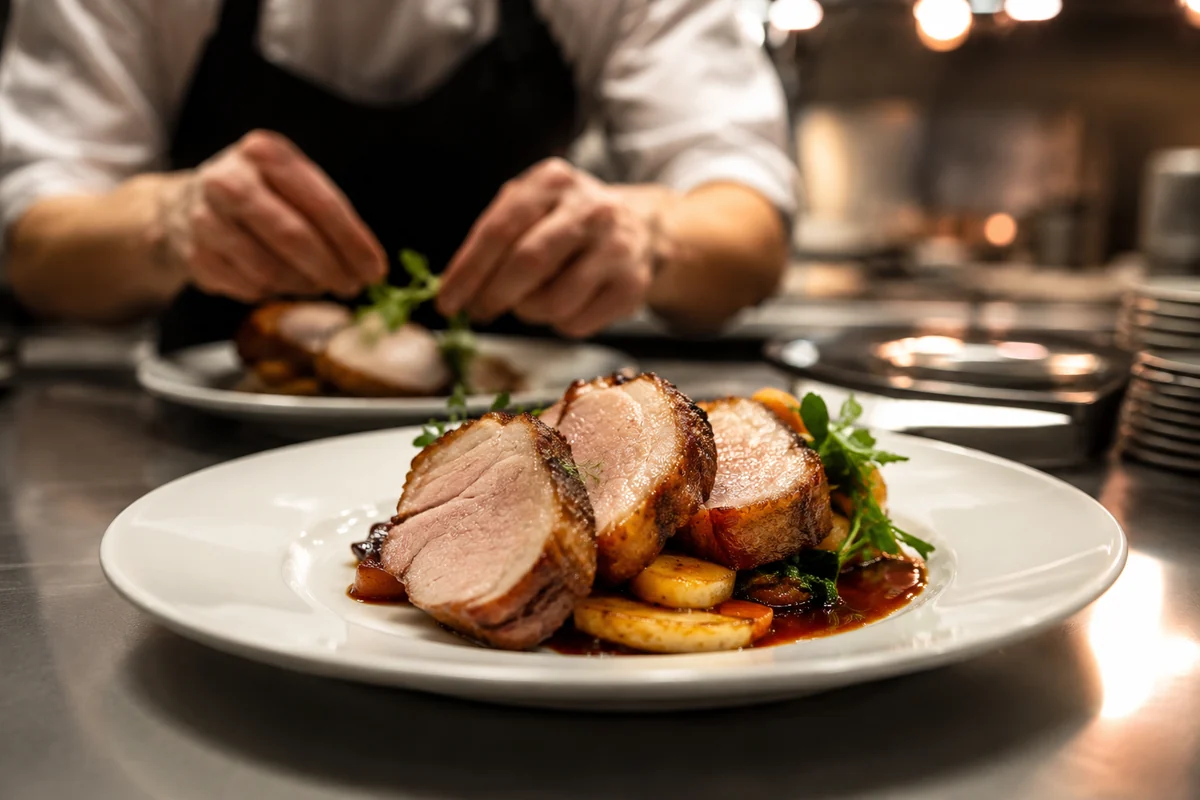
Walk into a farm-to-table restaurant, an upscale bistro, or a chef-driven barbecue restaurant, and you’ll often hear discussions about where the meat comes from rather than simply what cut is being served. In recent years, some chefs have begun seeking out heritage breeds and pasture-raised pork that offer something different from conventional commercial pork. Among those options, Kunekune pork has developed a small but growing reputation among chefs who value flavor, texture, and a story worth sharing with their customers.
Not every restaurant serves Kunekune pork, and availability remains limited compared to commercial pork. However, those who do often cite several reasons for their interest in this unique breed.
Flavor Comes First
For most chefs, flavor is the deciding factor.
Kunekune pigs are known for producing pork that many people describe as rich, flavorful, and naturally well-balanced. Rather than relying solely on seasonings or sauces to create interest on the plate, chefs often appreciate pork that brings its own character to the meal.
The flavor profile can vary depending on diet, age, and finishing practices, but many chefs compare quality Kunekune pork favorably to other heritage breeds that are prized in fine dining establishments.
When a restaurant’s goal is to create memorable dining experiences, naturally flavorful pork becomes a valuable ingredient.
Marbling Creates Better Eating Quality
One of the characteristics frequently mentioned by chefs is marbling.
Marbling refers to the small streaks of intramuscular fat found throughout the meat. These fine layers of fat help keep pork moist during cooking while contributing to tenderness and flavor.
Many chefs believe that well-marbled pork offers advantages when preparing:
- Pork chops
- Pork loin roasts
- Shoulder roasts
- Smoked barbecue
- Charcuterie products
- Specialty sausage
Because marbling helps protect the meat from drying out, chefs often have more flexibility when cooking and presenting premium cuts.
A Better Fit for Farm-to-Table Menus
Modern diners increasingly want to know where their food comes from.
Restaurants that emphasize local sourcing often seek products that align with values such as:
- Responsible animal husbandry
- Pasture-based management
- Local agriculture
- Small-farm partnerships
- Heritage breed preservation
Kunekune pigs naturally fit many of these themes.
Their calm temperament, manageable size, and ability to thrive in pasture-based systems make them attractive to small farms that supply local restaurants. For chefs, being able to tell customers that their pork came from a nearby family farm often adds value beyond the meal itself.
Unique Menu Differentiation
Restaurants compete for attention.
Offering a familiar pork chop may not stand out in a crowded dining market. Offering a Kunekune pork chop raised on a local farm creates a different conversation.
Many chefs use heritage-breed pork to:
- Create seasonal specials
- Highlight local farm partnerships
- Build tasting menus
- Feature chef’s choice offerings
- Differentiate their restaurant from competitors
Customers interested in food culture and local agriculture often appreciate learning about breeds they have never encountered before.
Excellent for Charcuterie and Specialty Products
Chefs who produce house-made charcuterie frequently look for pork with strong flavor and quality fat.
Kunekune pork may be used in:
- Fresh sausage
- Smoked sausage
- Bacon
- Pâté
- Terrines
- Cured meats
- Specialty salami
Quality fat plays a major role in many of these products. Chefs and meat artisans often value pork that contributes both flavor and texture throughout the curing and aging process.
Consistency Matters
Restaurants depend on consistency.
A chef needs ingredients that perform predictably from week to week. While management practices vary among farms, carefully raised Kunekune pigs can provide a reliable product when producers focus on quality genetics, nutrition, and finishing programs.
Strong relationships between farmers and chefs often develop because both sides share the same goal: producing a premium dining experience.
The Heritage Breed Appeal
Today’s diners are often interested in heritage livestock breeds.
Just as some customers seek heritage chickens, heirloom vegetables, or grass-fed beef, others enjoy learning about traditional pig breeds that differ from large-scale commercial production.
Kunekune pigs bring a story that connects agriculture, history, and food quality. For restaurants focused on education and customer engagement, that story can become part of the dining experience.
Why Availability Remains Limited
Despite growing interest, Kunekune pork remains relatively uncommon in restaurants.
Several factors contribute to limited availability:
- Smaller herd sizes
- Fewer dedicated meat producers
- Regional availability differences
- Growing demand from homesteaders
- Limited processing infrastructure in some areas
As a result, many restaurants that feature Kunekune pork do so as a specialty item rather than a permanent menu staple.
How Good Breeding Supports Good Pork
While restaurants ultimately purchase meat rather than breeding stock, the quality of the pork begins long before the animal reaches the kitchen.
Good genetics, sound structure, healthy growth, and proper management all contribute to the final eating experience. At BF Farm Kunekune Pigs, we focus on producing quality Kunekune breeder stock for families and homesteads that want healthy, productive animals with long-term usefulness.
Whether the goal is breeding, homesteading, or producing pork for the family freezer, quality livestock decisions help create better outcomes throughout the entire process.
Final Thoughts
Some restaurants prefer Kunekune pork because it offers a combination of flavor, marbling, tenderness, and farm-to-table appeal that fits modern dining trends. While it remains a niche product compared to commercial pork, chefs who prioritize quality ingredients often appreciate the unique characteristics that Kunekune pork can bring to the plate.
For diners, that means a memorable meal. For farmers, it highlights the growing interest in thoughtfully raised heritage livestock. And for chefs, it provides another opportunity to showcase exceptional ingredients with a story worth telling.